Natural hot springs have captivated humans for thousands of years, offering unique healing properties and relaxation benefits. Let’s dive into the most common questions about these geological wonders and discover why they continue to attract wellness seekers worldwide.
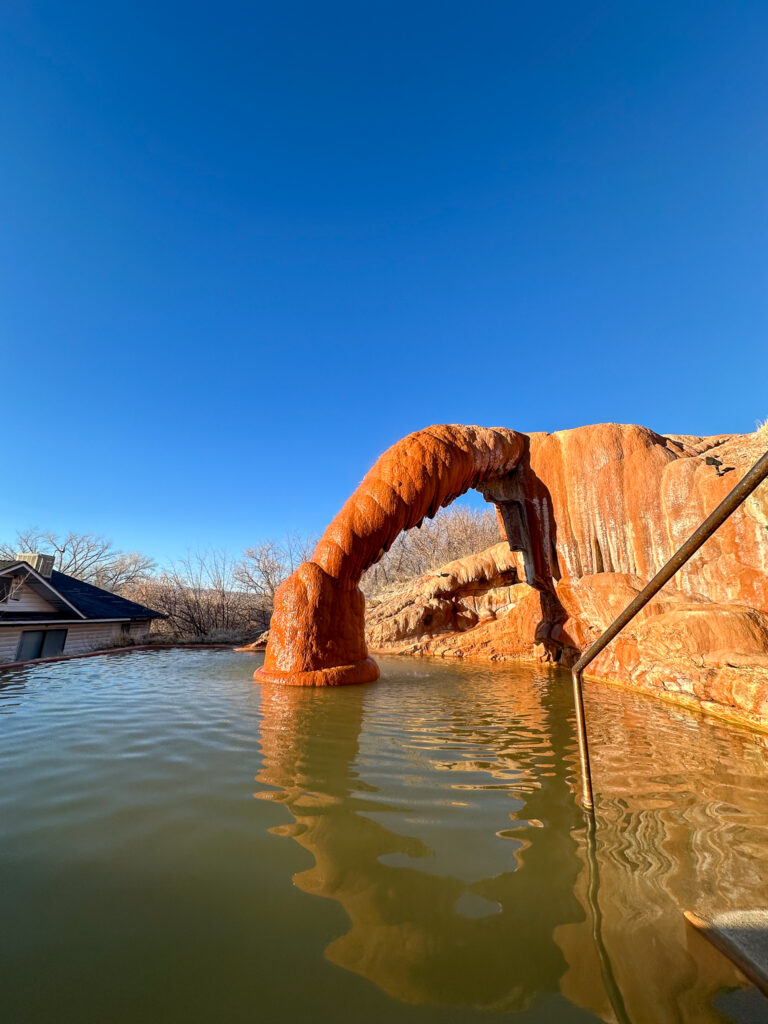
What is a Natural Hot Spring?
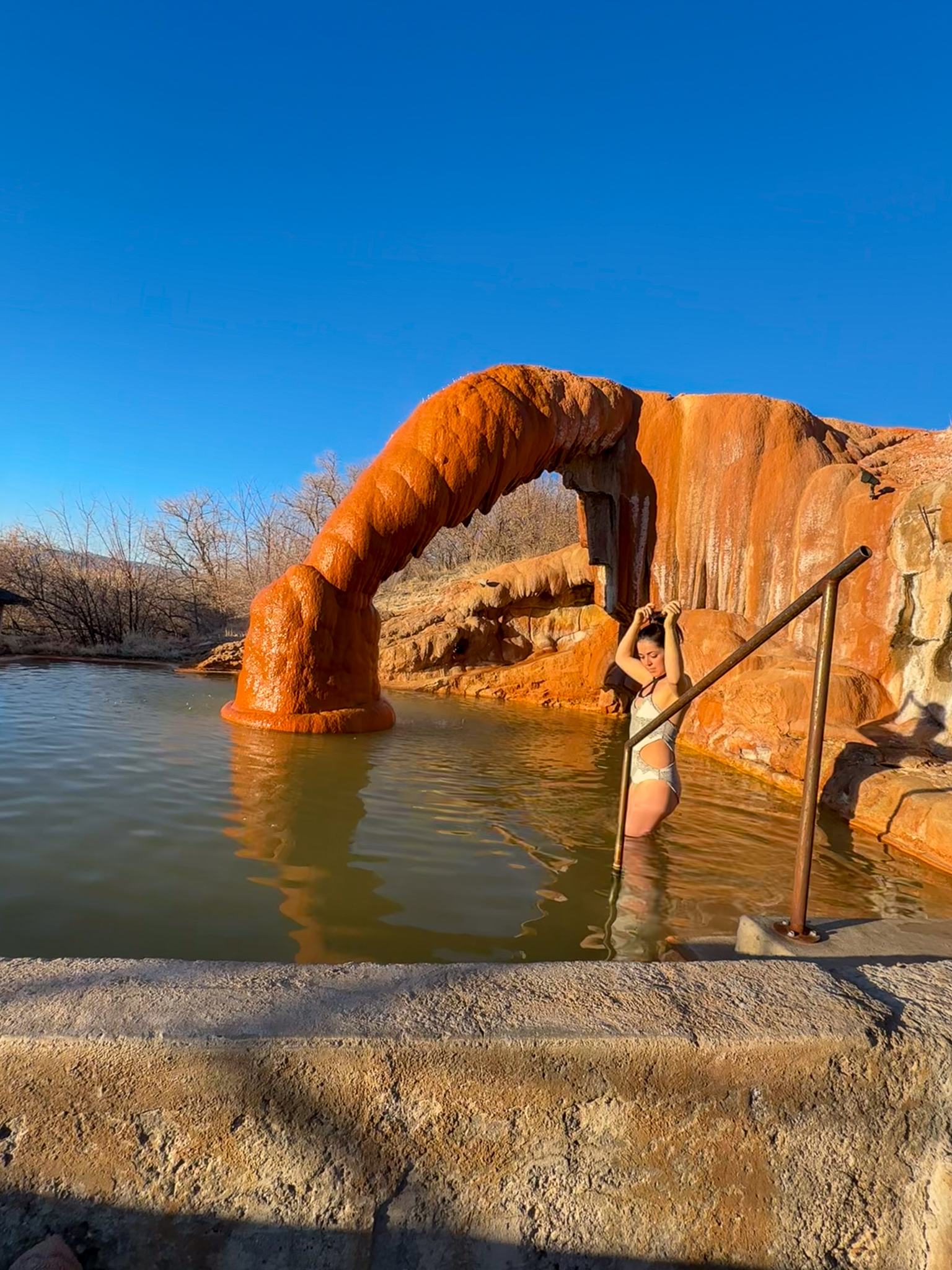
A natural hot spring occurs when geothermally heated groundwater rises to the Earth’s surface. Deep underground, water is heated by magma or hot rocks, creating pressure that forces the heated water upward through cracks and faults in the Earth’s crust. These springs can range in temperature from warm (around 70°F/21°C) to extremely hot (over 200°F/93°C), depending on their geological location and depth of origin.
Not all hot springs are for swimming! Many hot springs are WAY too hot and/or acidic for humans, and can kill you quickly. Make sure a hot spring is safe before even dipping a finger in.
What Makes Hot Springs So Special?
Hot springs are nature’s spa treatment centers, offering unique benefits you won’t find in regular pools or spas. The water in hot springs is naturally enriched with minerals like calcium, magnesium, silica, and sulfur through its interaction with underground rocks. Each spring has its own unique mineral composition, creating distinct therapeutic properties.
Beyond their mineral content, hot springs provide a connection to Earth’s natural processes. Soaking in waters that have journeyed from deep within the Earth creates a profound sense of connection to nature that artificial pools simply cannot replicate.
Is It Safe to Swim in Hot Springs?
Yes, it’s generally safe to swim or soak in hot springs, but with important precautions:
Temperature safety: Always test the water temperature before entering. The safest soaking temperature ranges from 95-104°F (35-40°C). Some natural hot springs can be dangerously hot and require cooling or mixing with cooler water.
Time limits: Limit your soaking time to 15-20 minutes initially, especially in hotter springs. Listen to your body and exit if you feel lightheaded or uncomfortable.
Water quality: When visiting developed hot springs resorts, the water is typically monitored and treated. For wild hot springs, research water quality beforehand and avoid entering springs with obvious contamination or strong sulfur smells that might indicate dangerous gases. Also avoid dunking your head under water if you are unsure of the water quallity, as it could cause sickness.
Health Benefits of Hot Springs Soaking
Soaking in hot springs offers numerous evidence-backed health benefits:
Muscle and Joint Relief: The combination of heat and mineral content helps relax muscles and can reduce joint pain. The buoyancy of water also reduces pressure on joints and spine.
Improved Circulation: Hot water naturally dilates blood vessels, improving circulation throughout the body and potentially lowering blood pressure temporarily. Cycling with cold water dips, which is available at many developed hot springs resorts and spas, can further improve circulation.
Stress Reduction: The warmth and mineral content promote relaxation and reduce stress levels. Many people report better sleep after hot springs sessions.
Skin Health: Minerals like silica and sulfur can help with various skin conditions and promote softer, smoother skin.
Respiratory Benefits: The steam from hot springs, especially those containing sulfur, may help clear sinuses and provide respiratory relief.
Tips for Your Hot Springs Visit
To make the most of your hot springs experience, whether it’s at a natural hot springs or a developed hot springs:
Stay hydrated: The heat can cause increased sweating, so drink plenty of water before, during, and after soaking.
Bring appropriate gear: Pack water shoes, a towel, and a reusable water bottle. Some locations require swimwear, while you can go au naturale at most natural hot springs out in the wildness.
Choose the right time: Early morning or evening visits often provide the most peaceful experience and comfortable temperatures.
Research your destination: Whether you’re visiting a developed resort or natural spring, understand the facilities, regulations, and any specific health advisories. Some wild hot springs may require a hike, so be sure to understand the demands of getting there (and back) before embarking on your journey.
Hot springs offer a unique combination of natural healing, relaxation, and connection to Earth’s geological processes. Whether you’re seeking relief from physical ailments or simply want to unwind in a natural setting, these thermal waters provide a therapeutic and memorable experience. Remember to approach hot springs with respect for their power and natural beauty, and always prioritize safety while enjoying their many benefits!
Common Hot Springs FAQ
Wear a swimsuit at public springs and resorts. Some private or natural springs allow nude bathing. Bring water shoes to protect your feet and prevent slipping, plus a robe or cover-up for comfort between soaks.
Bring water, towels, flip-flops, swimsuit, robe, sunscreen, hat, and plenty of drinking water. Consider bringing snacks and a waterproof phone case.
Start with 15-20 minutes and adjust based on water temperature and how you feel. Take breaks if you feel overheated or lightheaded. Some people can comfortably soak for up to an hour in cooler springs.
Most doctors advise against hot spring use during pregnancy due to risks from high temperatures. If you choose to soak, select cooler springs (below 100°F/38°C) and limit time to 10 minutes. Be sure to speak to your doctor before deciding whether it’s right for you to soak while pregnant.
Children can visit hot springs but should only use cooler pools (below 98°F/37°C) and be closely supervised. Avoid hot springs for infants and toddlers.
Yes, showering after soaking removes minerals and bacteria that might irritate your skin. Many hot springs resorts require showering before entering as well.
Yes, you can get sick if you swallow contaminated water or stay in too long. Risks include bacterial infections and heat-related illness. It’s recommended to avoid dunking your head in the water to help mitigate risk.
Yes, hot springs contain various bacteria, both harmful and beneficial. Developed resorts treat their water to control dangerous bacteria.
Yes, the warm mineral water can help reduce joint inflammation and ease arthritis pain. The buoyancy also reduces pressure on joints.
It’s best to avoid hot springs with open wounds or cuts due to infection risk. Wait until cuts are fully healed.
Many people find relief from eczema symptoms in certain hot springs, particularly those rich in sulfur and silica.
Yes, winter is an excellent time to visit. The warm water feels especially wonderful in cold weather, though access to remote springs may be limited. We personally love visiting hot springs in the cold to help defrost from the winter chill!
Many hot springs have a sulfuric “rotten egg” smell due to natural mineral content. The intensity varies by location.
Common minerals include sulfur, calcium, magnesium, iron, silica, and lithium. Each spring has its unique mineral composition.




Leave a Reply